
GoHighLevel SMS Quiet Hours: The Legal Send Window, and How Phone Clover Enforces It
gohighlevel sms quiet hours 3 min read
The TCPA texting window, the states with their own stricter hours, and how Phone Clover holds and auto-releases outbound texts sent outside it.
- Best for
- GoHighLevel users who want to know the actual legal send window for outbound texts, and whether anything enforces it automatically.
- Not for
- Anyone wanting a full legal compliance audit. This explains one guardrail, not the whole TCPA.
- The difference
- Most guides explain the rule. Phone Clover's quiet hours guardrail holds a text sent outside the window and sends it automatically once it opens, so a badly timed workflow doesn't become a compliance problem.
“8am to 9pm” is the answer everyone gives for SMS quiet hours, and it’s the right starting point, but it’s not the whole picture, and knowing the rule doesn’t mean anything enforces it. This guide covers the actual window, the states with stricter hours, and what Phone Clover does differently: hold a text sent outside the window instead of sending it or letting it fail.
The federal window: 8am to 9pm, recipient’s time zone
The TCPA sets telemarketing text hours at 8am to 9pm. The detail that trips people up: it’s the recipient’s local time zone, not yours. A business in New York texting a contact in California at 8:30am Eastern is texting that contact at 5:30am Pacific, before the window opens. Getting the time zone right matters as much as knowing the numbers.
States with their own, stricter window
A handful of states set tighter hours than the federal default. Phone Clover’s guardrail (live 2026-09-25) currently covers:
| State | Window |
|---|---|
| Federal default | 8am to 9pm |
| Florida, Oklahoma, Maryland | 8am to 8pm |
| Connecticut | 9am to 8pm |
| Texas | 9am to 9pm (noon start on Sunday) |
The Texas window comes from the actual Texas Business and Commerce Code, not a summary of it secondhand. Other compliance sources also mention Washington and New Jersey as having their own windows; we haven’t independently verified those against primary state law, and Phone Clover’s guardrail doesn’t check them yet. If your business texts contacts in those states, don’t assume this guardrail has you covered there.
Why “the rule” and “enforcement” are two different things
Knowing the window doesn’t stop a text from going out at the wrong time. In a typical workflow builder, nothing checks the clock unless you’ve explicitly added a time-based filter. A form submitted at 11pm can trigger an automation that texts the contact one minute later, at 11:01pm, squarely in the wrong window, with the automation never knowing anything went wrong.
What Phone Clover does about it
Every outbound text sent through Phone Clover checks the recipient’s window before sending. Their time zone comes from HighLevel’s own contact data when it’s set; if it isn’t, Phone Clover falls back to their state, worked out from HighLevel’s contact record or their area code, against the state-specific windows above.
Outside the window, the text is held, not failed. A check that runs every minute releases held texts, in order, the moment their window opens. A reply sent within 30 minutes of the contact’s own inbound text skips the hold, since that’s an active conversation the contact started, not a cold outbound send.
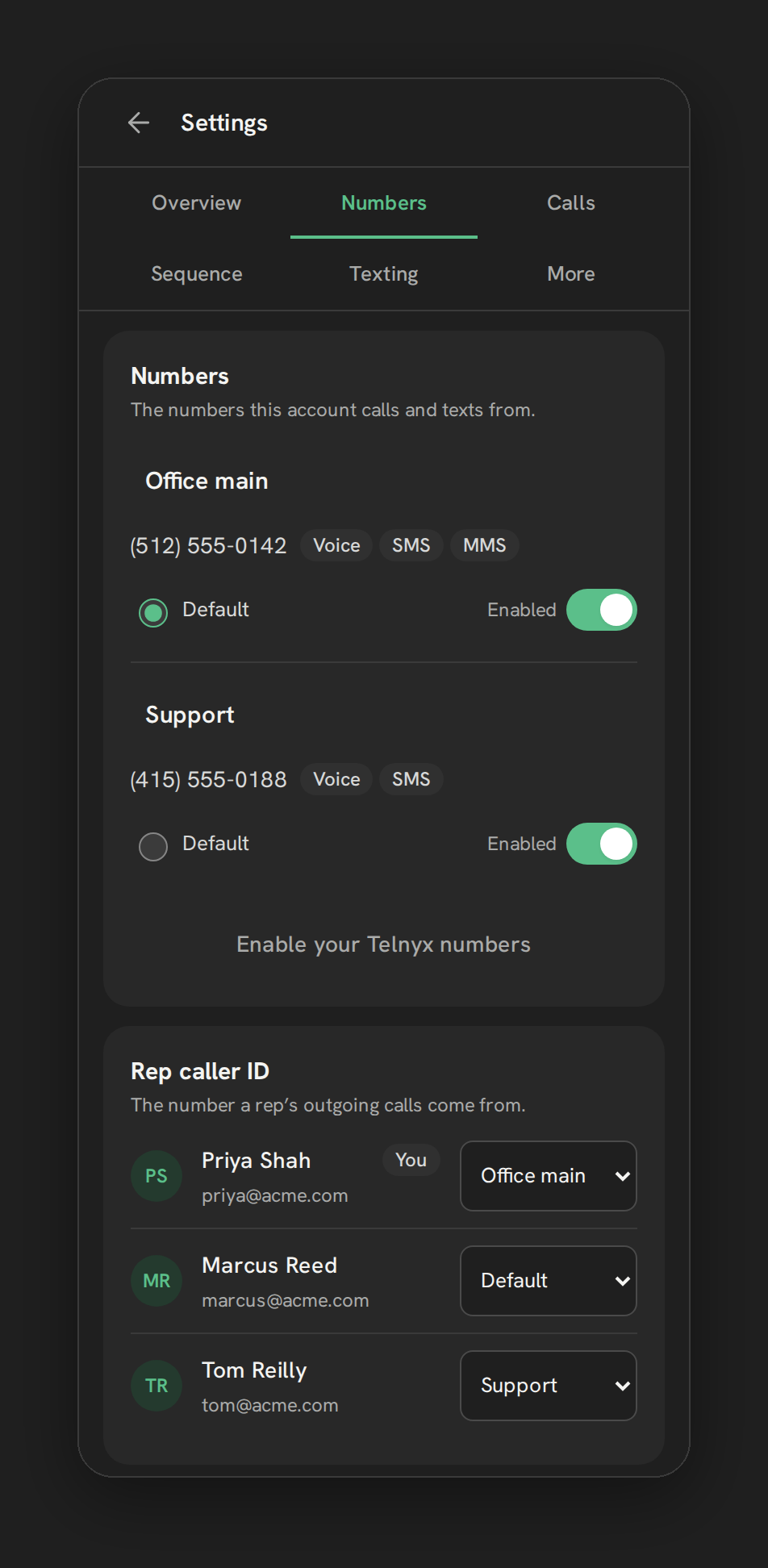
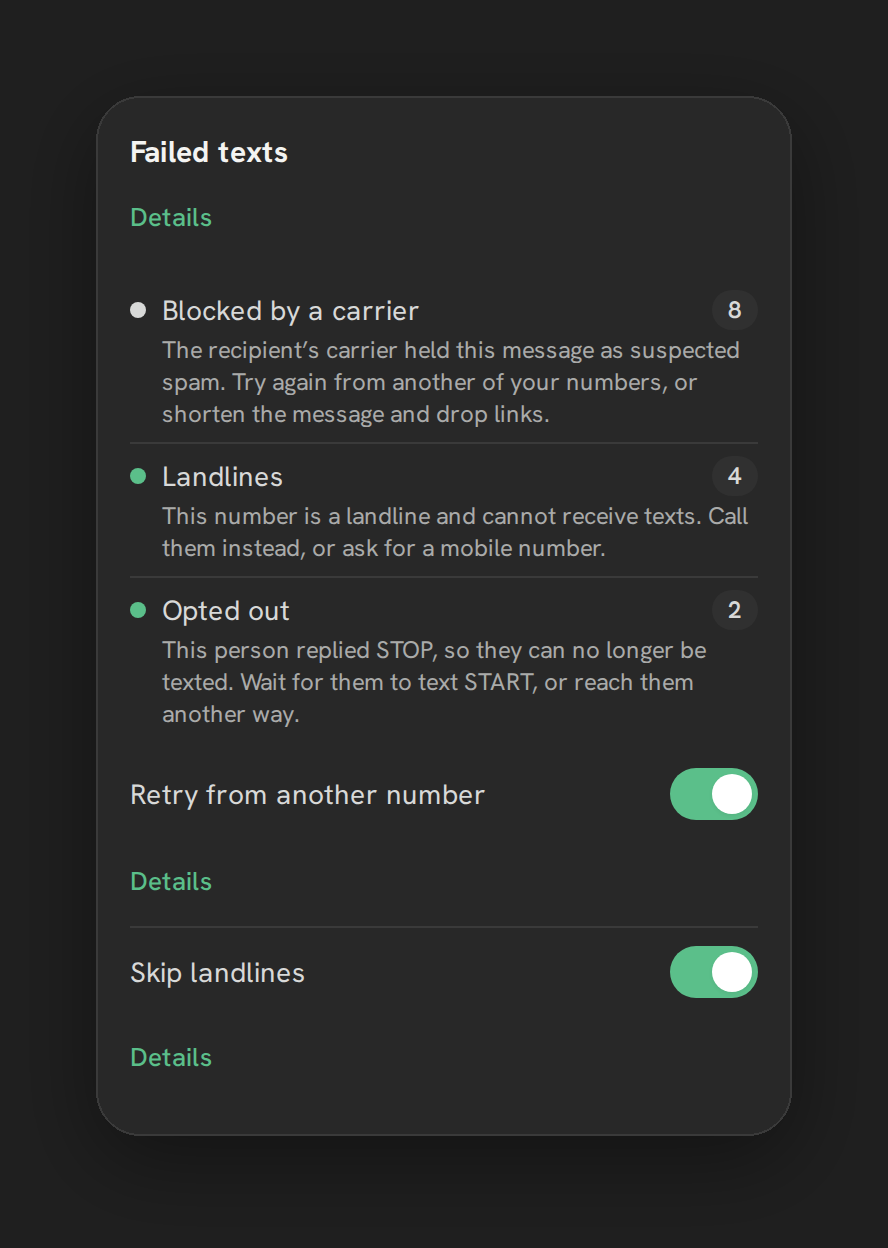
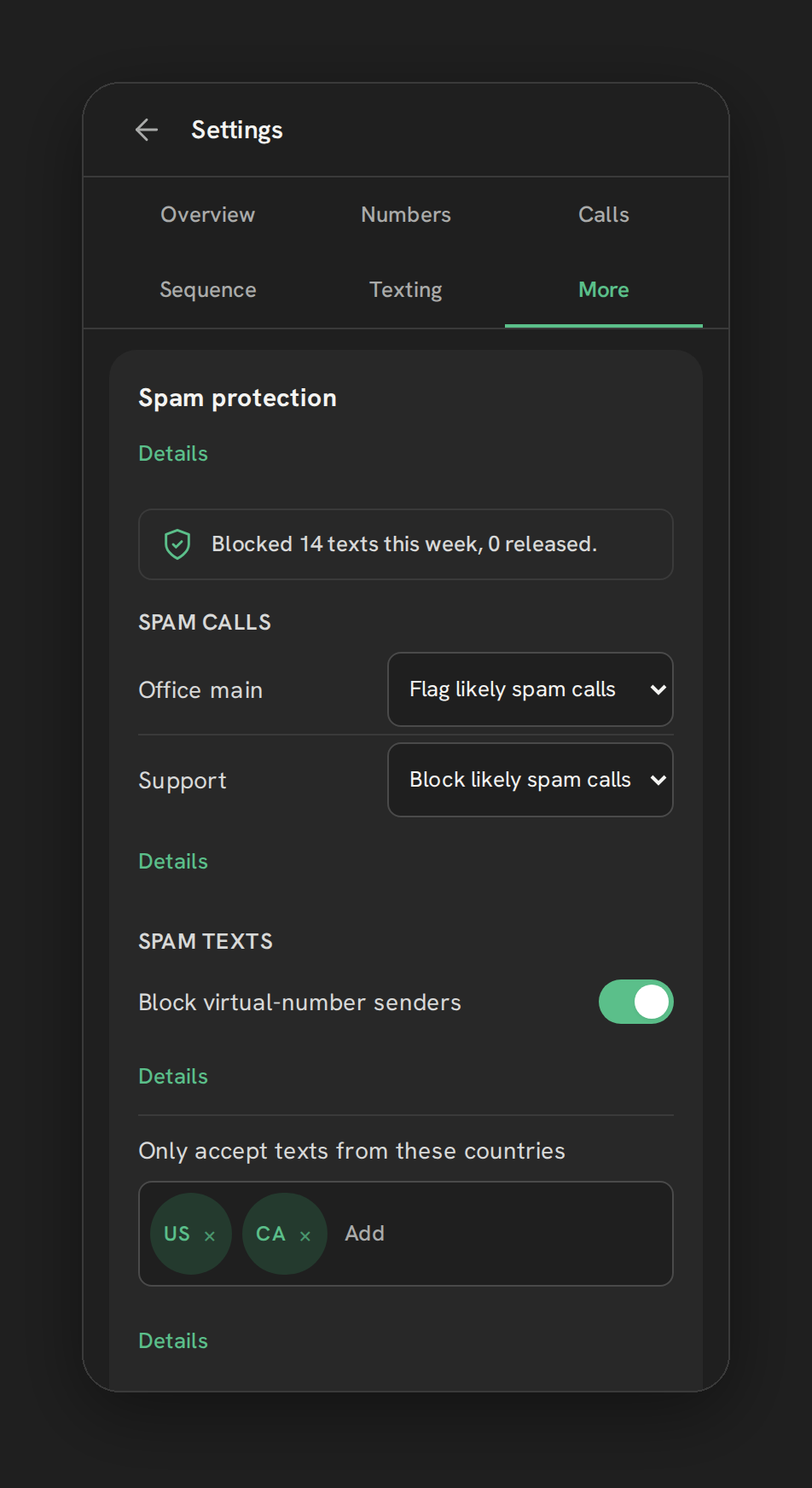
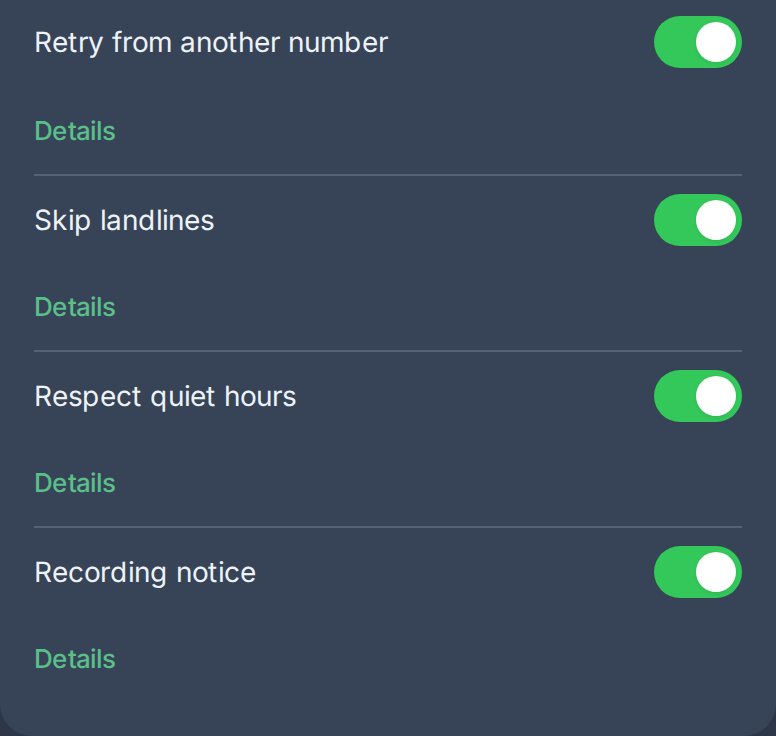
This is on by default for every sub-account, and can be turned off per sub-account in Settings, Texting, Failed texts, if it doesn’t fit how a business texts.
What this isn’t
A quiet-hours guardrail is one piece of texting compliance, not the whole of it. It doesn’t cover consent to text someone in the first place, doesn’t track opt-outs on its own (Phone Clover recognizes STOP-style keywords separately), and doesn’t extend to every state with its own rule, only the ones listed above. This isn’t legal advice, and a guardrail that catches an obviously bad send time is not the same as a compliance program. If texting volume or state coverage matters to your business, verify the current rules for where your contacts actually are.
Where this leaves you
The federal window is 8am to 9pm in the recipient’s time zone; a handful of states set tighter hours; and most tools, including HighLevel’s own workflow engine by default, don’t check the clock unless you build that check yourself. Phone Clover’s quiet hours guardrail does the checking automatically for texts sent through it, holding and releasing rather than failing, for the states it currently covers.
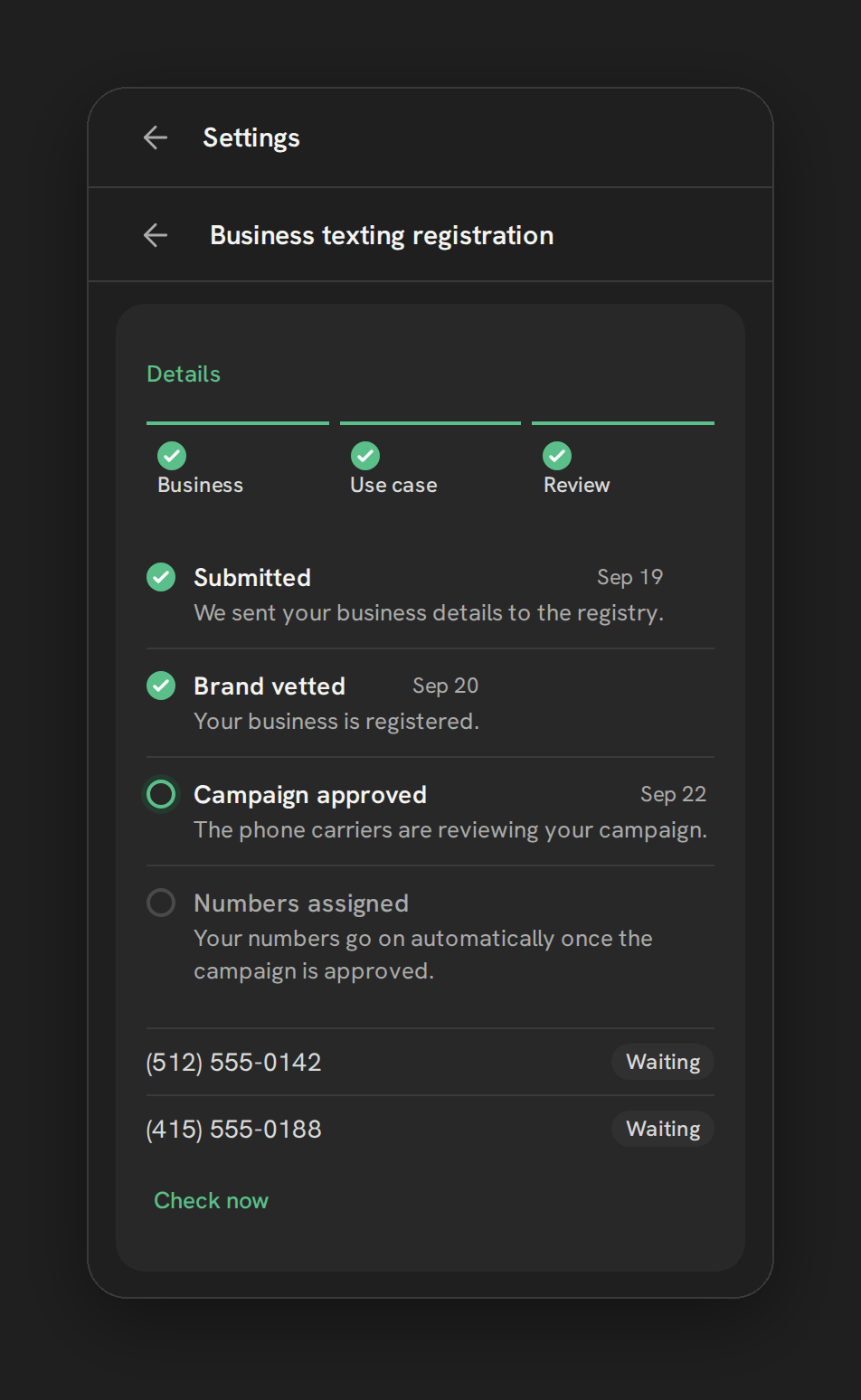
See texting compliance guardrails for the full feature, and outbound texts and quiet hours for exactly how the window is worked out. For the carrier-registration side of texting, see register for A2P 10DLC.